genre american
Alternative Rock
early 1980s→ · Athens, Georgia / Manchester / Seattle
The big tent outside the mainstream: indie labels, college radio and the underground that sustained R.E.M., Sonic Youth and the Pixies before Nirvana proved the audience was there all along.
Alternative rock is not so much a sound as a position: outside the mainstream, distributed through indie labels and college radio, built on a network of clubs and fanzines that the punk DIY ethic had created. Through the 1980s it encompassed post-punk (Joy Division, Wire, the Cure), new wave, jangle pop (R.E.M., the Smiths), noise rock (Sonic Youth, Big Black) and hardcore — all connected by the label “alternative” rather than a common sonic signature.
R.E.M., from Athens, Georgia, were the genre’s commercial vanguard: starting on independent label I.R.S. Records with college radio hits, they maintained critical credibility while slowly building a mainstream audience. “Losing My Religion” (1991) — a mandolin-driven song about obsession — reached Number Four on the pop charts and won two Grammy Awards, demonstrating that the alternative audience was massive when properly reached.
The genre’s definition collapsed in 1991 when Nirvana made grunge mainstream. What had been “alternative” became the new pop, and the major labels spent the following years signing anything that sounded like Seattle. The category survived as a radio format and a mindset — the expectation that rock can emerge from outside the industry’s center — rather than a coherent sound.
Connections
Roots, siblings & influences
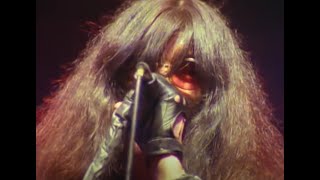
Alternative rock emerged from punk's DIY ethic and indie label infrastructure, expanding punk's sonic range while retaining its independence from mainstream industry.

The Velvet Underground, the Stooges and the New York Dolls — garage rock's darkest branches — were the canonical ancestors of alternative rock's underground.
Key artists
-
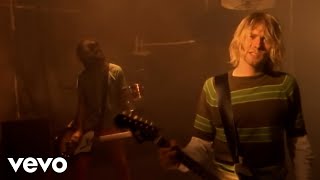
Nirvana
artistThe band that made alternative rock mainstream: 'Nevermind' dragged underground indie noise into the Top 40 and ended hair metal's commercial dominance overnight.
-

The Doors
artistJim Morrison's dark poetry and Ray Manzarek's organ-bass keyboard lines: the Los Angeles band who made psychedelia literary, theatrical and dangerous.
-
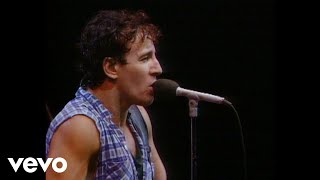
Bruce Springsteen
artistThe Boss: his E Street Band fused rock 'n' roll energy with the narrative ambitions of Dylan and the communal force of soul music, making him rock's great working-class chronicler.
Sources
- Awopbopaloobop Alopbamboom: Pop from the Beginning — Nik Cohn (1969). Weidenfeld & Nicolson · Book
Discussion
Comments
Read the conversation or sign in with Google to add your own note.