genre american
Bluegrass
1945→ · Kentucky / Nashville
Bill Monroe's high-velocity string-band modernism: banjo rolls, close harmony and the 'high lonesome sound' — old-time music rebuilt as virtuoso art.
Bluegrass sounds ancient and is younger than the electric guitar. It has a founder — Bill Monroe, the Kentucky mandolinist whose Blue Grass Boys gave the style its name — and even a birth date most historians accept: late 1945, when banjoist Earl Scruggs joined the band and his three-finger roll, machine-precise and torrential, completed the sound: mandolin, fiddle, banjo, guitar and bass, unamplified, racing, topped by Monroe’s “high lonesome” tenor (Rosenberg 1985).
Monroe called it “Scotch bagpipes and ole-time fiddlin’… Methodist and Holiness and Baptist… the blues and jazz” — his own genealogy chart. He learned as much from Arnold Shultz, a Black fiddler and guitarist he played dances with as a boy, as from his fiddling uncle Pen; the blues bend in that high tenor is not decorative. The improvised solo-trading owes a debt to the swing bands on the radio (Rosenberg 1985).
Bluegrass’s path through the web has one famous switchback: Elvis Presley’s first single took Monroe’s waltz “Blue Moon of Kentucky” and turned it into rockabilly — the new genre raiding the new-old one within a decade of its birth. The style itself never stopped: festivals, newgrass, and a permanent role as country music’s certificate of authenticity.
Connections
Roots, siblings & influences
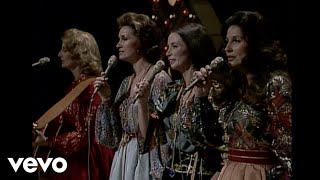
Built from the old-time string band and the brother-duet harmony tradition — accelerated and professionalized.
Monroe named the Black fiddler-guitarist Arnold Shultz as a formative influence; the blues is explicit in his 'Kentucky blues' conception.
The improvised, passed-around solos owe as much to swing combos as to any fiddle convention.
What grew from it

Bluegrass's acoustic instrumentation and its connection to older traditions were the founding aesthetic of Americana's most austere branch.
Sources
- Bluegrass: A History — Neil V. Rosenberg (1985). University of Illinois Press · Book
- Country Music, U.S.A. — Bill C. Malone and Jocelyn R. Neal (2010). University of Texas Press (3rd rev. ed.; first published 1968) · Book
Discussion
Comments
Read the conversation or sign in with Google to add your own note.