genre american
Chicago Blues
mid-1940s–1960s · Chicago, Illinois (South and West Sides)
The Delta blues plugged in: amplified guitar, harmonica, drums and bass, forged in South Side clubs and pressed by Chess Records into the blueprint for rock.
Chicago blues is what happened when the Delta blues met the electric guitar, the city, and a paycheck. The Great Migration had been carrying Black Mississippians up the Illinois Central line for decades; after the Second World War, the South Side and West Side were dense with Delta-born workers who wanted Saturday-night music that sounded like home — but loud enough to cut through a crowded club (Wilkerson 2010; Palmer 1981).
Muddy Waters, who had been recorded by Alan Lomax on Stovall Plantation in 1941, arrived in 1943, switched to electric guitar, and by 1948 was making hits for the label that became Chess Records. The classic band he assembled — amplified slide guitar, Little Walter’s harmonica blown through a handheld microphone, piano, bass and drums — turned the solo Delta form into ensemble music with a backbeat (Gordon 2002). His great rival Howlin’ Wolf, a Charley Patton disciple with a voice like a freight engine, arrived from Memphis in 1953, and their competition powered the style’s golden decade (Segrest & Hoffman 2004).
The songs Chess pressed in those years — “Hoochie Coochie Man,” “Smokestack Lightnin’,” “Rollin’ Stone” — became the working curriculum for the next generation on both sides of the Atlantic. Chuck Berry walked into Chess in 1955 and turned the formula toward teenagers; a decade later, English bands who had learned every Chess record by heart (one of them named after “Rollin’ Stone”) sold the music back to white America. Both rock ‘n’ roll and the British blues revival are, genealogically, children of this music.
Connections
Roots, siblings & influences

Muddy Waters, Howlin' Wolf and their peers were Delta musicians who electrified their repertoire for loud Northern clubs.
Can't Be Satisfied: The Life and Times of Muddy Waters · Deep Blues: A Musical and Cultural History of the Mississippi Delta
The style exists because the Great Migration moved the Delta's people — and its musicians — to Chicago.
The Warmth of Other Suns: The Epic Story of America's Great Migration · Can't Be Satisfied: The Life and Times of Muddy Waters
What grew from it

The repertoire, the sound and the heroes were Chess Records' — Muddy Waters's 1958 UK tour planted the seed directly.
Life · Deep Blues: A Musical and Cultural History of the Mississippi Delta
The electric blues, urbanized and aimed at the jukebox — Billboard coined 'rhythm and blues' in 1949 to replace the label 'race records'.
Rock and roll · Deep Blues: A Musical and Cultural History of the Mississippi Delta

Chuck Berry was a Chess Records artist; the first rock 'n' roll records were structurally blues records played faster for a younger audience.
Rock and roll · Deep Blues: A Musical and Cultural History of the Mississippi Delta
Key artists
-

Muddy Waters
artistMcKinley Morganfield: recorded by Lomax on a Mississippi plantation in 1941, king of the Chicago blues by 1950 — the single clearest bridge from Delta to electric blues.
-
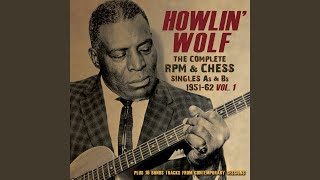
Howlin' Wolf
artistChester Burnett, Charley Patton's most formidable student: three hundred pounds of voice that made 'Smokestack Lightnin'' and gave the Chicago blues its thunder.
Sources
- Deep Blues: A Musical and Cultural History of the Mississippi Delta — Robert Palmer (1981). Viking Press · Book
- Can't Be Satisfied: The Life and Times of Muddy Waters — Robert Gordon (2002). Little, Brown and Company · Book
- Moanin' at Midnight: The Life and Times of Howlin' Wolf — James Segrest and Mark Hoffman (2004). Pantheon Books · Book
- Blues ↗ . Encyclopædia Britannica · Encyclopedia
- The Warmth of Other Suns: The Epic Story of America's Great Migration — Isabel Wilkerson (2010). Random House · Book
Discussion
Comments
Read the conversation or sign in with Google to add your own note.