genre american
Funk
mid-1960s–1970s · Cincinnati / Augusta — King Records
James Brown's rhythmic revolution: every instrument a drum, everything on the One — the groove that became the DNA of hip-hop and modern dance music.
Funk begins with a count: the One. Around 1965 — “Papa’s Got a Brand New Bag” is the customary birth certificate — James Brown rebuilt his band around the first beat of the bar and treated every instrument as a drum: guitar scratching sixteenth notes, bass popping syncopations, horns stabbing like a snare. Harmony nearly stopped moving (one chord could last the whole song); the groove was the composition (Smith 2012).
Through the late sixties and seventies the idea propagated: Sly and the Family Stone added psychedelic optimism and an integrated band; George Clinton’s Parliament-Funkadelic blew it up into mythology and Mothership stagecraft; the Meters distilled New Orleans funk to four instruments; Stevie Wonder and the Isley Brothers folded it back into song form.
Funk’s afterlife is arguably bigger than its life. When Brown’s drummer Clyde Stubblefield played eight bars alone on “Funky Drummer” (1970), he unknowingly recorded what became one of the most sampled passages in music history — the breakbeat that, looped by Bronx DJs a few years later, helped found hip-hop. Disco, electro, house and Afrobeat all carry funk’s genome; this site’s web shows the most direct line: funk → hip-hop → electro, and onward (in a future tree) to Miami bass and funk carioca.
Connections
Roots, siblings & influences

Funk is soul with the hierarchy inverted: rhythm promoted from accompaniment to the entire point.
The One: The Life and Music of James Brown · Sweet Soul Music: Rhythm and Blues and the Southern Dream of Freedom
Brown's band came up through the R&B circuit; the horn-section language is R&B's, re-purposed as percussion.
What grew from it
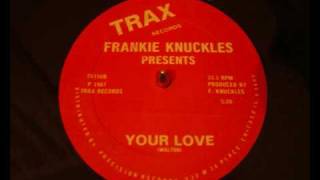
The groove concept and the centrality of bass come from funk; early house DJs played James Brown and Sly Stone alongside the electronic tracks they were developing.

The Belleville Three were equally inspired by George Clinton and Parliament-Funkadelic as by Kraftwerk — techno is the machine equivalent of the P-Funk groove.

Disco's rhythmic engine — the four-on-the-floor kick drum — derived from funk's one-beat emphasis; the groove concept is directly inherited.
Sweet Soul Music: Rhythm and Blues and the Southern Dream of Freedom

The groove grammar underneath is still funk's — synthesized: machine-funk.
Can't Stop Won't Stop: A History of the Hip-Hop Generation · The One: The Life and Music of James Brown
The grooves came from funk: electric bass ostinatos and the One, straight from James Brown and Sly Stone.
The History of Jazz · The One: The Life and Music of James Brown
The foundation is the funk break — Kool Herc's 'merry-go-round' looped the drum solos from records like 'Funky Drummer' into an endless groove.
Can't Stop Won't Stop: A History of the Hip-Hop Generation · The One: The Life and Music of James Brown
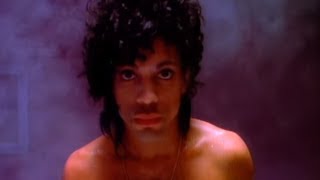
The Minneapolis Sound's rhythmic foundation is funk — played live, tight, with synthesizer basslines replacing or augmenting bass guitar.

The break — the moment in a funk or soul record when everything drops out but the drums — was the foundational material that DJs looped to create hip-hop.

Funk's rhythmic revolution was absorbed into psychedelic soul's grooves, particularly in the work of Sly Stone and later Marvin Gaye.

Dr. Dre's G-funk sampled Parliament-Funkadelic extensively, making West Coast hip-hop's commercial peak a direct sonic descendant of 1970s funk.
Can't Stop Won't Stop: A History of the Hip-Hop Generation · The One: The Life and Music of James Brown
Key artists

Sources
- The One: The Life and Music of James Brown — RJ Smith (2012). Gotham Books · Book
- Sweet Soul Music: Rhythm and Blues and the Southern Dream of Freedom — Peter Guralnick (1986). Harper & Row · Book
Discussion
Comments
Read the conversation or sign in with Google to add your own note.