genre american
Soul
mid-1950s–1970s · Memphis / Detroit / Muscle Shoals
Gospel fervor with worldly words: Ray Charles lit the fuse, Stax and Motown built the factories, and soul became the sound of the civil rights era.
Soul has a precise ignition point: late 1954, when Ray Charles recorded “I Got a Woman” — a gospel song rebuilt with worldly lyrics, sung exactly the way the church sang. The fusion scandalized both sides of the sacred/secular line that Black music had policed for decades (Mahalia Jackson’s refusals marked one border of it), and it worked instantly. Sam Cooke crossed the same line from the Soul Stirrers in 1957; by the early sixties the floodgates were open (Guralnick 1986).
The genre industrialized in two great houses with two accents. In Detroit, Berry Gordy’s Motown polished gospel-rooted singing into precision pop (“the Sound of Young America”) with the Funk Brothers’ immaculate grooves beneath the Supremes, the Temptations and Stevie Wonder. In Memphis, Stax Records — and the Muscle Shoals studios further south — kept the grit: Otis Redding, Sam & Dave, and Aretha Franklin’s Atlantic sessions, horn-led and church-hot. Notably, both Southern scenes were racially integrated house bands working in the segregated South (Guralnick 1986).
Soul was the soundtrack of the civil rights years in the most literal way — “A Change Is Gonna Come,” “Respect,” “Say It Loud (I’m Black and I’m Proud)” — music whose dignity was itself an argument. And rhythmically, its hardest edge was already mutating: James Brown, soul’s most relentless performer, was about to strip the music down to the One and invent funk.
Connections
Roots, siblings & influences

The vocal style is the church's — melisma, call and response, testifying — carried into secular music, often by singers trained in it.
Sweet Soul Music: Rhythm and Blues and the Southern Dream of Freedom · The Gospel Sound: Good News and Bad Times
The rhythm section, the song forms and the business came from R&B.
Sweet Soul Music: Rhythm and Blues and the Southern Dream of Freedom
What grew from it

Philly soul's lush orchestration and the gospel-rooted singing style of its vocalists fed directly into disco's aesthetic.
Sweet Soul Music: Rhythm and Blues and the Southern Dream of Freedom

Funk is soul with the hierarchy inverted: rhythm promoted from accompaniment to the entire point.
The One: The Life and Music of James Brown · Sweet Soul Music: Rhythm and Blues and the Southern Dream of Freedom
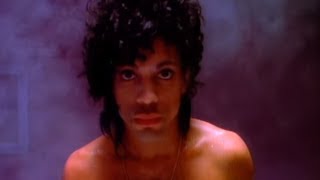
The vocal style and emotional range come from soul, gospel, and Motown — Prince's falsetto is as rooted in the church as Marvin Gaye's.
Sweet Soul Music: Rhythm and Blues and the Southern Dream of Freedom

Motown took soul's gospel-rooted vocal style and applied assembly-line production discipline to make it radio-ready pop.
Sweet Soul Music: Rhythm and Blues and the Southern Dream of Freedom

The Motown sound — soul disciplined for radio — is the first great factory for pop in the modern sense; Michael Jackson carried it forward to global scale.
Sweet Soul Music: Rhythm and Blues and the Southern Dream of Freedom

Psychedelic soul takes soul's emotional core and gospel roots but opens the song structure, production and subject matter to psychedelic influence.
Sweet Soul Music: Rhythm and Blues and the Southern Dream of Freedom
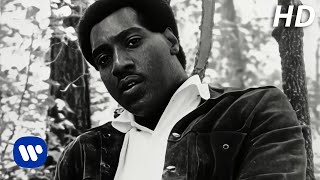
Southern soul is soul's regionally inflected branch: gospel fervor retained, urban polish mostly absent, horn sections and rhythm guitars to the fore.
Sweet Soul Music: Rhythm and Blues and the Southern Dream of Freedom
Key artists

Sources
- Sweet Soul Music: Rhythm and Blues and the Southern Dream of Freedom — Peter Guralnick (1986). Harper & Row · Book
- The Gospel Sound: Good News and Bad Times — Anthony Heilbut (1971). Simon & Schuster · Book
Discussion
Comments
Read the conversation or sign in with Google to add your own note.