genre american
Gospel
1930s→ · Chicago, Illinois
The modern Black sacred music built by Thomas A. Dorsey from spirituals and blues technique — the training ground for soul and for half the great voices of American popular music.
Modern gospel has a founder with a name and an address: Thomas A. Dorsey of Chicago. As “Georgia Tom” he had been a successful blues pianist (he played for Ma Rainey); after personal tragedy he turned to sacred music, writing songs — “Take My Hand, Precious Lord” above all — that put blues harmony, blue notes and personal testimony into church music. Through the 1930s, Dorsey and singer Sallie Martin organized choruses and conventions that spread the new music through Black churches nationwide (Heilbut 1971).
Gospel grew in two great streams: the soloists and choirs of the Dorsey tradition — crowned by Mahalia Jackson, whose 1947 “Move On Up a Little Higher” sold in the millions — and the jubilee quartets (the Soul Stirrers, the Dixie Hummingbirds), whose close harmony and showmanship were a parallel rhythm-and-blues education. The church was, in practice, the conservatory of Black American music (Heilbut 1971; Britannica, “Gospel music”).
Gospel’s secular consequences are hard to overstate. Soul music is, almost literally, gospel singing applied to worldly lyrics — Ray Charles’s “I Got a Woman” (1954) rewrote a gospel song, and Sam Cooke walked directly out of the Soul Stirrers into pop stardom. Follow the web one step and you’ll find it: gospel is one of soul’s two parents, alongside the blues via rhythm and blues.
Connections
Roots, siblings & influences
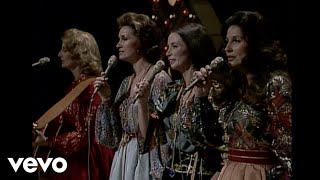
White Southern music kept its own sacred branch; the Carter Family's repertoire was full of hymns.

Saturday night and Sunday morning of the same communities; many players, like Son House, moved between the two all their lives.
The Gospel Sound: Good News and Bad Times · Deep Blues: A Musical and Cultural History of the Mississippi Delta
Gospel reset the spirituals' inheritance in a modern, composed, performed idiom for the urban church.
Thomas A. Dorsey was 'Georgia Tom', a working blues pianist, before he invented gospel; he carried blues harmony and feeling into the church.
What grew from it

House music's emotional warmth — its uplift, its piano chords, its soulful vocal samples — is directly descended from Black gospel, filtered through soul and disco.
Sweet Soul Music: Rhythm and Blues and the Southern Dream of Freedom
The Baptist and sanctified church music of New Orleans Black communities contributed rhythmic energy and a devotional intensity to jazz's emotional vocabulary.

The rhythmic energy and ensemble call-and-response patterns of gospel music shaped ragtime's syncopated rhythmic approach.

The vocal fervor of early rock — Presley included — was learned in church and from gospel radio.
Last Train to Memphis: The Rise of Elvis Presley · The Gospel Sound: Good News and Bad Times

The vocal style is the church's — melisma, call and response, testifying — carried into secular music, often by singers trained in it.
Sweet Soul Music: Rhythm and Blues and the Southern Dream of Freedom · The Gospel Sound: Good News and Bad Times
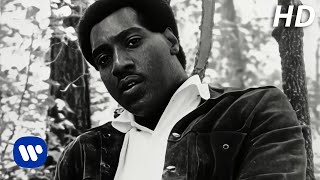
Stax artists and the Muscle Shoals rhythm section were steeped in Black Southern church music; the vocal style is gospel with worldly words.
Sweet Soul Music: Rhythm and Blues and the Southern Dream of Freedom
Key artists

Sources
- The Gospel Sound: Good News and Bad Times — Anthony Heilbut (1971). Simon & Schuster · Book
- Gospel music ↗ . Encyclopædia Britannica · Encyclopedia
Discussion
Comments
Read the conversation or sign in with Google to add your own note.