genre american
Gangsta Rap
late 1980s–1990s · Compton / South Central Los Angeles
First-person accounts of gang life, police violence and street economics: N.W.A's documentary brutality made gangsta rap the most controversial and commercially dominant rap style of the 1990s.
Gangsta rap was named and conceptualized by the media and the music industry but practiced long before anyone used the term: Schoolly D in Philadelphia (“P.S.K. What Does It Mean?,” 1985) and Ice-T in Los Angeles (“6 in the Mornin’,” 1986) were its earliest recorded instances. But it was N.W.A’s Straight Outta Compton (1988) that defined the genre’s parameters, aesthetic and commercial possibilities.
The genre’s politics were always contested. Its defenders argued it was journalism — documentary reporting of lives the mainstream news had made invisible, told from the inside. Its critics, including the FBI, argued it glorified violence and criminality. The PMRC pressure for explicit content labels accelerated after N.W.A, and gangsta rap became the test case for free speech in popular music through the late 1980s.
Dr. Dre’s G-funk aesthetic (slow tempos, synthesizer melodies sampled from Parliament-Funkadelic, heavy bass) became the genre’s commercial signature in the early 1990s, with Death Row Records as its center. The East Coast–West Coast conflict — partly manufactured, partly real — culminated in the murders of Tupac Shakur (1996) and the Notorious B.I.G. (1997) and the genre’s temporary commercial withdrawal, though its legacy runs directly into trap, drill and subsequent Southern rap.
Connections
Roots, siblings & influences

Gangsta rap emerged from hip-hop's broader culture but shifted the subject matter from party and bravado to explicit accounts of gang life and urban violence.
Gangsta rap's dominant commercial form was West Coast, rooted in the Los Angeles basin's gang geography and Dr. Dre's G-funk production style.
What grew from it
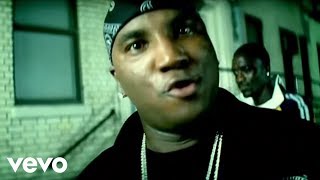
Trap's subject matter — the trap house, drug dealing, street economics — descends directly from gangsta rap, relocated to Atlanta's specific geography.
Key artists
-
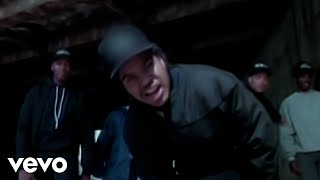
N.W.A
artistNiggaz Wit Attitudes: the Compton collective who invented gangsta rap, reported life in South Central with documentary brutality and terrified the FBI.
-
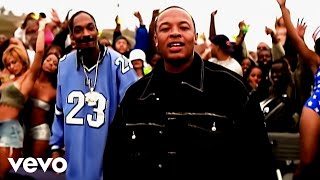
Dr. Dre
artistHip-hop's greatest producer: the Compton beatmaker who invented G-funk with Parliament-Funkadelic samples, built Death Row, then Aftermath, and launched Eminem and Kendrick Lamar.
-

Tupac Shakur
artistThe most complete artist of the gangsta rap era: his charisma, vulnerability and contradictions made him a cultural figure of Shakespearean complexity before his murder at 25.
Sources
- Can't Stop Won't Stop: A History of the Hip-Hop Generation — Jeff Chang (2005). St. Martin's Press · Book
Discussion
Comments
Read the conversation or sign in with Google to add your own note.