genre american
Motown
1959–early 1970s · Detroit, Michigan
Berry Gordy's dream factory: the 'Sound of Young America' that turned gospel-rooted soul into precision pop, reaching every demographic through craft, discipline and the Funk Brothers.
Berry Gordy Jr. founded Motown Records in Detroit in 1959 with an $800 loan from his family and a vision: make Black music that would sell to everyone. He modeled the label on the Ford River Rouge assembly plant down the road — a hit factory with quality control, in-house songwriters (Holland– Dozier–Holland, Smokey Robinson, Marvin Gaye), a house band (the Funk Brothers, Detroit’s best session musicians), a finishing school (Artist Development, which taught performers how to move, speak and present), and a relentless release schedule.
The results were unprecedented: the Supremes had twelve Number One pop singles. Marvin Gaye, Stevie Wonder, the Temptations, the Four Tops, and the Jackson 5 all became global stars. The “Sound of Young America” reached white teenagers on Top 40 radio, Black listeners on R&B radio, and everyone else — a crossover built on the music’s genuine quality rather than commercial dilution.
What Motown did to soul was to discipline it: the rawer gospel edges were smoothed, the tempos made more danceable, the lyrics more universal. It was a conscious trade, and a commercially successful one. The label moved to Los Angeles in 1972, where it gradually lost its sound’s specificity. For this graph Motown is the path through which soul entered mainstream American pop.
Connections
Roots, siblings & influences

Motown took soul's gospel-rooted vocal style and applied assembly-line production discipline to make it radio-ready pop.
Sweet Soul Music: Rhythm and Blues and the Southern Dream of Freedom
The Funk Brothers' rhythm section came directly from Detroit R&B; Gordy himself wrote R&B songs before founding the label.
Sweet Soul Music: Rhythm and Blues and the Southern Dream of Freedom
Key artists
-
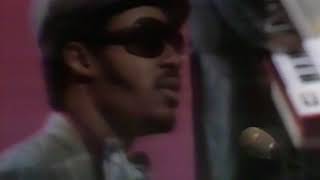
Stevie Wonder
artistMotown's prodigy grown into a towering artist: the "classic period" albums of the 1970s synthesized soul, funk, jazz and social urgency into music of unmatched range.
-

Marvin Gaye
artistThe poet of Motown: 'What's Going On' turned the soul formula toward social consciousness and proved that a pop album could be a sustained moral argument.
-

Michael Jackson
artistThe King of Pop: the Jackson 5 alumnus who became the best-selling recording artist of all time, uniting Motown, funk and rock into a global pop language.
Sources
- Sweet Soul Music: Rhythm and Blues and the Southern Dream of Freedom — Peter Guralnick (1986). Harper & Row · Book
Discussion
Comments
Read the conversation or sign in with Google to add your own note.