genre american
Disco
mid-1970s–1980 · New York City
The club as sacred space: four-on-the-floor kick drum, string orchestration and the DJ as priest — disco created the infrastructure of dance music culture and its aftermath never ended.
Disco was born in New York’s underground clubs — the Loft, the Gallery, the Warehouse — among Black, Latino and gay communities who had been excluded from mainstream entertainment venues. The DJ became the center of the experience: mixing records continuously, reading the room, creating hour-long arcs of energy. The music they played — from Philly soul’s orchestration to Caribbean rhythms to early electronic production — was shaped by the dance floor’s demands.
By 1977 the mainstream had arrived: Giorgio Moroder’s synthesizer-heavy productions for Donna Summer, the Bee Gees’ Saturday Night Fever soundtrack, Gloria Gaynor’s “I Will Survive,” Chic’s “Le Freak” and “Good Times” brought disco into arenas and onto Top 40 radio. The reaction was fierce: Disco Demolition Night in 1979 — when a Chicago DJ organized a record-burning at Comiskey Park — was in part a backlash against the cultures disco represented.
But the music’s infrastructure — the DJ, the club, the 12-inch single designed for extended mixing, the 4/4 kick drum as organizing principle — outlasted the backlash entirely. House music, techno, dance pop, and electronic dance music of every subsequent type are disco’s children. Giorgio Moroder’s synthesizer productions for Donna Summer pointed directly toward the all-electronic dance music of the 1980s.
Connections
Roots, siblings & influences

Disco's rhythmic engine — the four-on-the-floor kick drum — derived from funk's one-beat emphasis; the groove concept is directly inherited.
Sweet Soul Music: Rhythm and Blues and the Southern Dream of Freedom

Philly soul's lush orchestration and the gospel-rooted singing style of its vocalists fed directly into disco's aesthetic.
Sweet Soul Music: Rhythm and Blues and the Southern Dream of Freedom
What grew from it
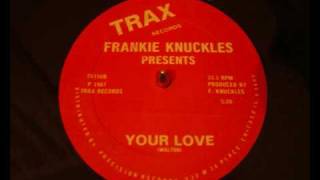
Chicago house emerged directly from disco's underground scene after the mainstream backlash of 1979 — the same audiences, the same clubs, the same four-on-the-floor rhythm.
Sweet Soul Music: Rhythm and Blues and the Southern Dream of Freedom
House maintained disco's four-on-the-floor rhythm and the club-as-community ethos; early house producers explicitly saw themselves as carrying disco's spirit forward.
Sweet Soul Music: Rhythm and Blues and the Southern Dream of Freedom
Key artists
Sources
- Sweet Soul Music: Rhythm and Blues and the Southern Dream of Freedom — Peter Guralnick (1986). Harper & Row · Book
Discussion
Comments
Read the conversation or sign in with Google to add your own note.